
THERAPY IN PERSON IN ORANGE COUNTY & ONLINE ACROSS CA, MA, & OH
EATING DISORDER THERAPY
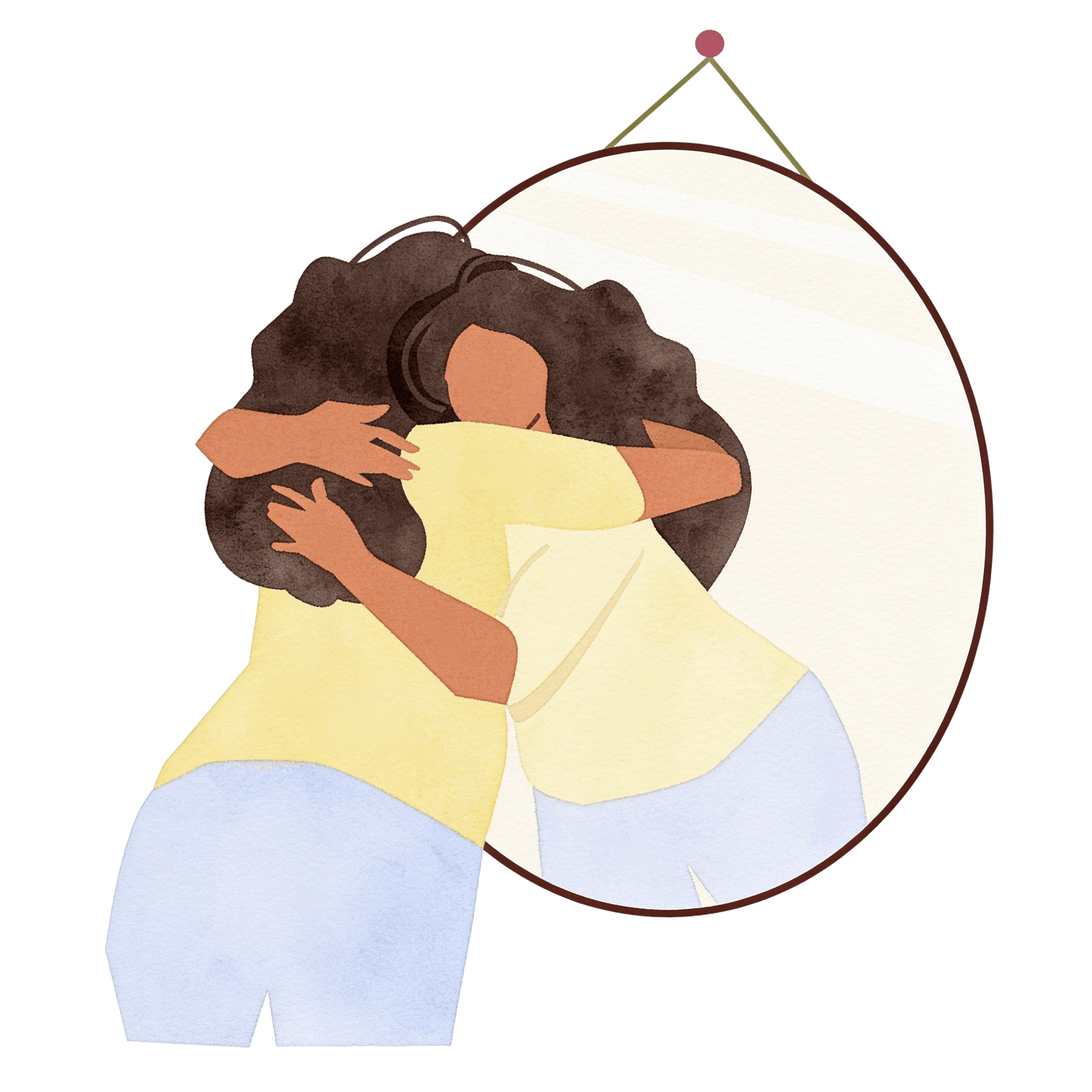

You want to feel at peace in your body—but the critical voice in your head won’t let up.
It seems like no matter what you wear, eat, or do, there’s always that inner voice telling you you’re not doing it “right.”
You want relief—but it’s hard to imagine what that even looks like.
Maybe it…

-
Your closet may look like a tornado came through it. You try on outfit after outfit and nothing looks “right.”
Getting dressed might mean a mountain of rejected outfits on your bed—none of them “flattering,” none that feel right. You may anxiously flip through hangers, hoping something feels good enough to wear.
Maybe you feel so overwhelmed, you cancel. Or you finally get dressed, but your anxiety follows you out the door. You show up hyperaware, scanning your body, imagining others are too.
You feel consumed by how your body looks and how others might be judging it.
-
You’ve internalized rules about good vs. bad foods—and that inner voice pushes you to “be good.”
You might avoid buying certain foods altogether because you fear losing control. You try to eat “right” but end up feeling dissatisfied and constantly thinking about food. You may find yourself eating past fullness, then spiraling into shame. Maybe the shame feels so unbearable that finding relief—through purging or working out—becomes the only way you know to cope.
Maybe you hear an endless stream of thoughts about how food affects your health or body. The judgment and thoughts are constant, and it’s exhausting.
-
There are rules about what, when, and how to eat. Rules about movement. Your brain is always tracking—meals, snacks, calories, workouts, body changes. And when you're not tracking, you're avoiding. Avoiding…
Foods you enjoy or crave but don’t “let” yourself have
Meals you tell yourself you “don’t need”
Social plans involving food
Friends who want to try new food places
The mental gymnastics takes a toll on your energy and ability to feel present and connected with others.
-
Exercise might feel non-negotiable—you “have to” do it or feel like you failed. Skipping a workout might not feel like an option without added distress. Or maybe you fluctuate between periods of structured exercising and avoiding it altogether, stuck in guilt and shame.
Either way, movement doesn’t feel neutral. It’s tied to anxiety, rules, and self-worth.


You’re tired of the constant inner noise.
Eating, moving, existing—everything feels tangled in rules, fear, and shame.
You just want to eat in peace, move your body on your own terms–rather than pressure and guilt, and have permission to exist in your body without constantly feeling the need to change it.
You don’t have to be at war with food or your body.
Let’s build something gentler—rooted in self-trust, clarity, and care.
Eating disorders are rarely just about food. They’re often about deeper needs: safety, control, identity, belonging, and emotional regulation.
Together, we’ll explore beyond behaviors to help you heal the roots.


We’ll begin by gently unpacking how your eating disorder is showing up—and why. You’ll learn to:
Understand the patterns, rules, and beliefs driving your behaviors

Identify the needs your eating disorder may be meeting
Build awareness around the shame, anxiety, or scarcity behind food struggles
Learn tangible tools to soothe overwhelm and respond with care instead of criticism
We’ll move at your pace, with a compassionate, nonjudgmental approach rooted in your autonomy.


As we work together, you may begin to notice…
More flexibility, less anxiety around food

A quieter mind and softer inner voice
More trust in your hunger, body cues, food selections, and emotional needs
Less shame and pressure—and more self-compassion

My approach to eating disorder therapy
I believe that all bodies are worthy, valid, and diverse. I will never encourage intentional weight loss as a goal.

HAES®-aligned
I believe all food is morally neutral. Balance comes from building internal trust, not restriction or shame.

Intuitive Eating®-informed
IFS, DBT, and ACT—these help you connect with your emotions, build coping skills, and support long-term healing.

Modalities I use
Healing is more than behavior change — it’s about reclaiming your right to safety, dignity, and respect.

Guided by social justice & fat liberation values
Together, we can create space for a new relationship—with food, your body, and yourself. One that’s sustainable, gentle, and deeply compassionate.

Eating disorder therapy can help you…
Reclaim your mental energy and brain space by spending less time thinking about food

Build confidence using coping skills that help soothe shame, anxiety, and overwhelm
Release food rules and guilt so you can eat with more freedom and ease
Identify and meet your emotional needs to feel more anchored and self-aware
Show up more fully in relationships and social spaces—including ones that involve food
Reconnect with your cultural roots and personal values through deeper self-compassion and body respect

You don’t have to stay trapped in the loop of overthinking, overwhelm, and shame. Let’s chart a path toward the gentler, more fulfilling life you deserve.
Eating Disorder Therapy-
Frequently Asked Questions (FAQs)

-
Some eating disorder symptoms include, but are not limited to:
Limiting food intake
Eating to the point of physical pain
Compulsive exercise
Taking laxatives
Hiding food
Avoidance of eating in public or around others
Compulsively monitoring body size and/or weight
Eating disorder symptoms are often used as a means to cope or manage emotional pain. For some, they create a sense of control in an environment that restricts agency and autonomy. A non shame-based approach is important in this work. It allows for a deeper understanding of the factors driving these behaviors.
-
I support adults with a range of eating disorders and disordered eating concerns. This includes work with binge eating disorder, bulimia, anorexia, and OSFED (other specified feeding or eating disorders).
If you’re not sure what to call what you’re experiencing, that’s okay—we can still start with what’s happening and what you want support with.
-
Eating disorder therapy starts with building a safe, trusting relationship—because talking about food and body image can feel especially vulnerable. From there, we’ll explore your history with food, the beliefs and rules you’ve absorbed, and the behaviors that have helped you cope. We’ll gently trace where those patterns come from and what they’re trying to do for you.
Eating disorder therapy usually isn’t just about food. Often, we’ll also explore what’s happening underneath—things like anxiety, trauma, relationships, shame, self-worth, people pleasing, and perfectionism. Together, we’ll look at the full picture so it feels less confusing and more attainable. As we build understanding and compassion, there’s often more room for flexibility, relief, and change.
-
If you experience high levels of stress and anxiety related to your body and/or food, talking to an eating disorder therapist might help! Eating disorder therapists can help assess, diagnose, and treat eating disorders. Having the right support can help you understand what’s happening, gain clarity, and find a path towards recovery.
-
Here are a few questions you can ask a prospective eating disorder therapist on a consultation call:
What experience do you have treating eating disorders and disordered eating?
Have you worked with concerns like mine (restriction, bingeing, purging, compulsive exercise, etc.)?
What does your approach to eating disorder recovery look like?
What is your philosophy on food and “healthy eating”?
How do you approach weight, weight change, and body size in treatment?
Do you work from a weight-neutral, HAES®-aligned, or body liberation framework?
Eating disorders are complex, so it matters that your therapist is both competent and aligned with how you want to heal. Many clients find it important to work with someone who won’t reinforce diet culture, fear of weight gain, or morality around food. You deserve a recovery space that’s compassionate, non-shaming, and deeply human.
-
Yes, in fact the majority of people with eating disorders are not considered “underweight.” Unfortunately, societal weight stigma and racism contributes to misinformation related to eating disorders. This can cause people to dismiss, minimize, or invalidate their struggle—impacting their ability to get the support they need.
If this is you, please know that eating disorders do not discriminate. Eating disorders impact all racial identities, body sizes, gender identities, and body abilities. You are worthy and deserving of support.
-
Yes—absolutely. You don’t need a diagnosis to get support. If food feels stressful, confusing, shame-filled, or hard to trust yourself around, that matters.
Whether you’re dealing with disordered eating patterns, chronic dieting, bingeing, restriction, body image distress, or fear of weight gain, we can work together to understand what’s driving it and build a gentler, more sustainable relationship with food and your body.
-
Healing your relationship with food is a lot like repairing any important relationship—it starts with understanding the history and the patterns. In therapy, we’ll get curious about the rules, fears, and shame that have shaped the way you eat, and what those behaviors have been trying to do for you (control, comfort, safety, relief).
A supportive first step can be eating disorder therapy, where you don’t have to figure it out alone. Together, we’ll build insight and practical tools—so food feels less stressful, your inner critic gets quieter, and you can relate to eating with more groundedness and self-trust.