
ONLINE THERAPIST CALIFORNIA

You’re not too much here.
Your depth and tenderness deserve space to exist.

Therapy for eating disorders, trauma, anxiety, and relationship concerns

You’ve always been the person others rely on. The one who does the emotional care-taking.
Emotionally, many of your relationships feel one-sided. People show up, but not in the way you’re really needing. So many emotions, so few places to put them.
Maybe you’ve been labeled “sensitive” or “emotional.” You can’t help it—you feel deeply, love big, and care hard.

Part of you appreciates your depth, empathy, and kindness… But another part resents it.
Because sometimes, it feels like you’re alone in it. Like no one else can meet you there.

Maybe you…
-
You’ve done this for as long as you can remember. You were praised for being “mature for your age,” “nurturing,” “such a good listener.”
You were—and still are—the person people come to. Adults. Kids. Peers.But maybe you wanted more than that narrative. Maybe you wanted to be a kid. To be messy, imperfect, or free. To not be the strong one all the time.
You’ve spent so long taking care of everyone else… it would be nice to be taken care of for once.
-
No one sees the mental gymnastics it takes to make others feel loved, content, or supported.
Remembering small details, giving thoughtful gifts, making yourself available when someone’s hurting, saying yes even when you’re tired.
You see others so clearly—so why doesn’t it feel reciprocated?
When your care goes unnoticed, it hurts. You’re left feeling invisible, alone, and resentful.
-
A good daughter. Son. Partner. Friend. Family member.
But “good” always turns into overextending, shrinking, pleasing, staying small.
You’re tired of working so hard, like a hamster on a wheel going nowhere.
You feel stuck: Constantly inconveniencing yourself, trying to shrink your body, controlling your food, or staying in relationships that drain you.
It's exhausting to give so much… and still not feel like you’re enough.
-
Maybe you were raised in a culture or family where emotional expression was discouraged—where the question was always, “What will people think?”
Maybe you were taught not to complain because your parents made sacrifices “so you could have a better life.”
Maybe you were told to suck it up, stop crying, or made fun of for being “too emotional.”
Or maybe you’ve learned to hide your emotional self just to survive in a world that marginalizes you. You’ve had to work twice as hard and twice as fast just to be acknowledged.
The game feels rigged—and emotions might slow you down. You can’t afford that.So you mask. You carry. You perform. Even when the feeling is flooding your chest, you keep it in.
But what if “too emotional” wasn’t the problem?
What if your depth deserves space—to exist and be met with respect?


All this work—just to prove you’re enough—it’s wearing you down.
What if you didn’t have to try so hard?
What if your worth wasn’t based on how productive you are, how much you do for others, or how well you’re perceived?
What if you were already enough—just as you are?

I help deep-feelers who spend a lot of time holding everyone else shift from over-giving and emotional caretaking to a life that feels calmer, more connected, and more yours.
HI, I’M NATALIA!
LICENSED THERAPIST CALIFORNIA
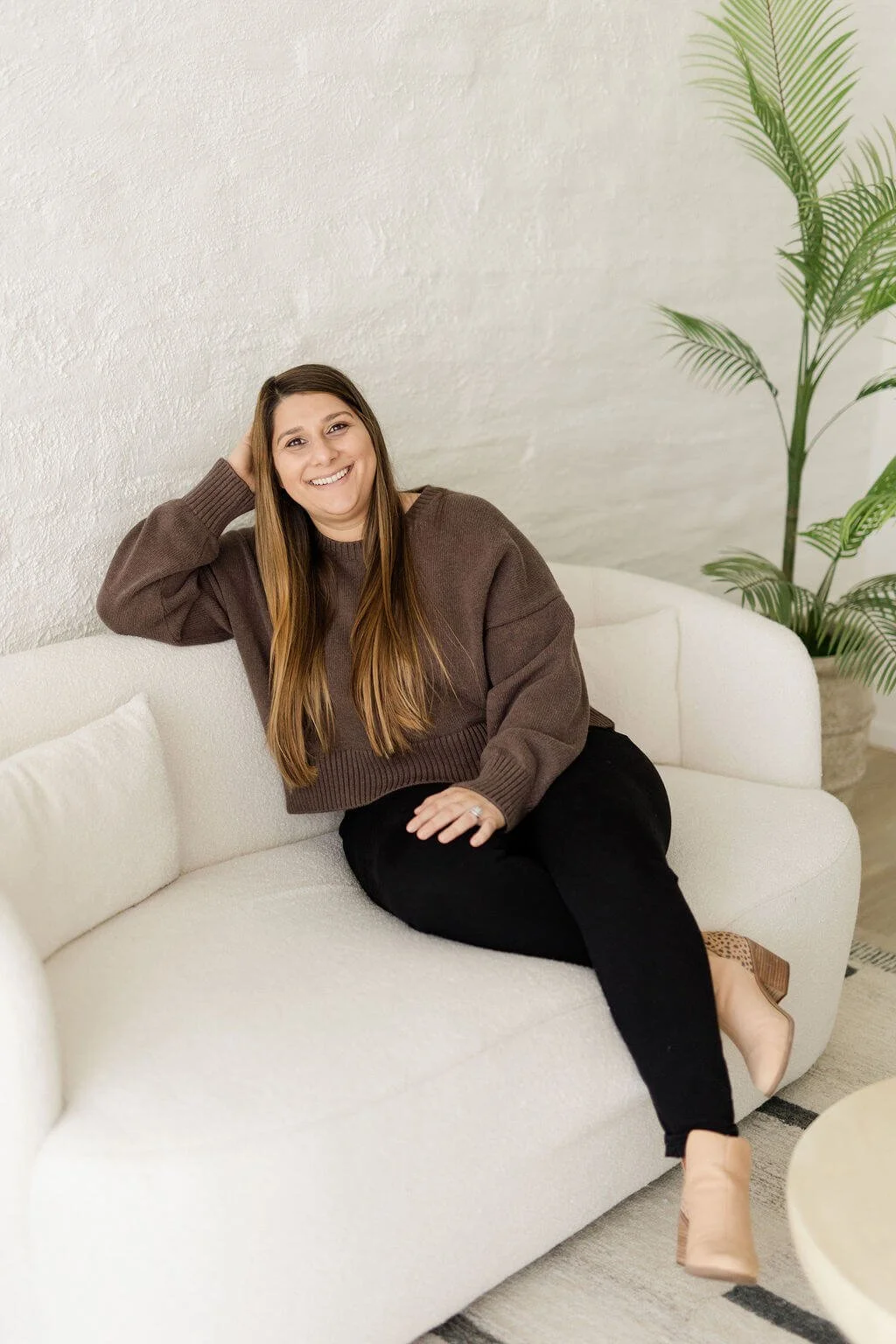

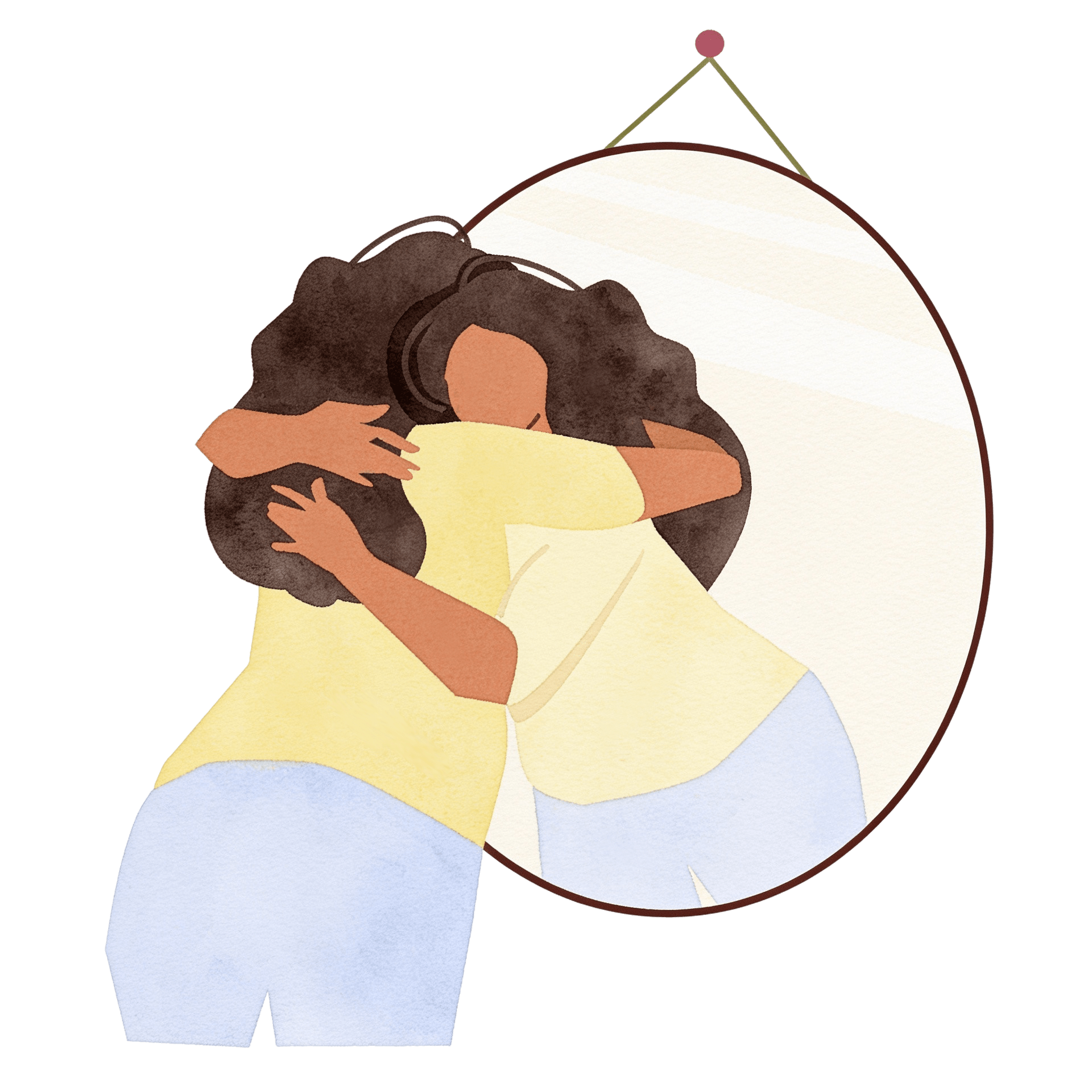
Together, we’ll build the safety and trust it takes to do this kind of deep, transformative work. You need therapy that meets you where you are—with an open heart and steady presence. Therapy that feels soft, fuzzy, and like a warm (figurative) hug.
But also therapy that gently moves you toward growth, healing, and soul-level change. I’m here to provide both.
In our work together, we’ll explore the stories you’ve internalized over time—the roles you’ve been asked to play, the expectations you’ve absorbed, and the ways they’ve shaped how you treat yourself.
As you deepen your understanding, you’ll may start to relate to yourself differently:
With curiosity instead of criticism

With permission instead of pressure
With kindness instead of shame
You might begin to honor your needs instead of overriding them. To let your inner child come out and play. To set boundaries that are rooted in clarity and care—not fear or obligation.
Together, we’ll listen to the parts of you that feel burdened and protective. We’ll get curious about how they’ve helped you survive—and help them soften, reorganize, and find new roles.
Through this work, you’ll gain insight into your inner world—and reconnect with the wisdom already inside you.
Learn more about working with me.
Therapy Offerings
Individual Therapy
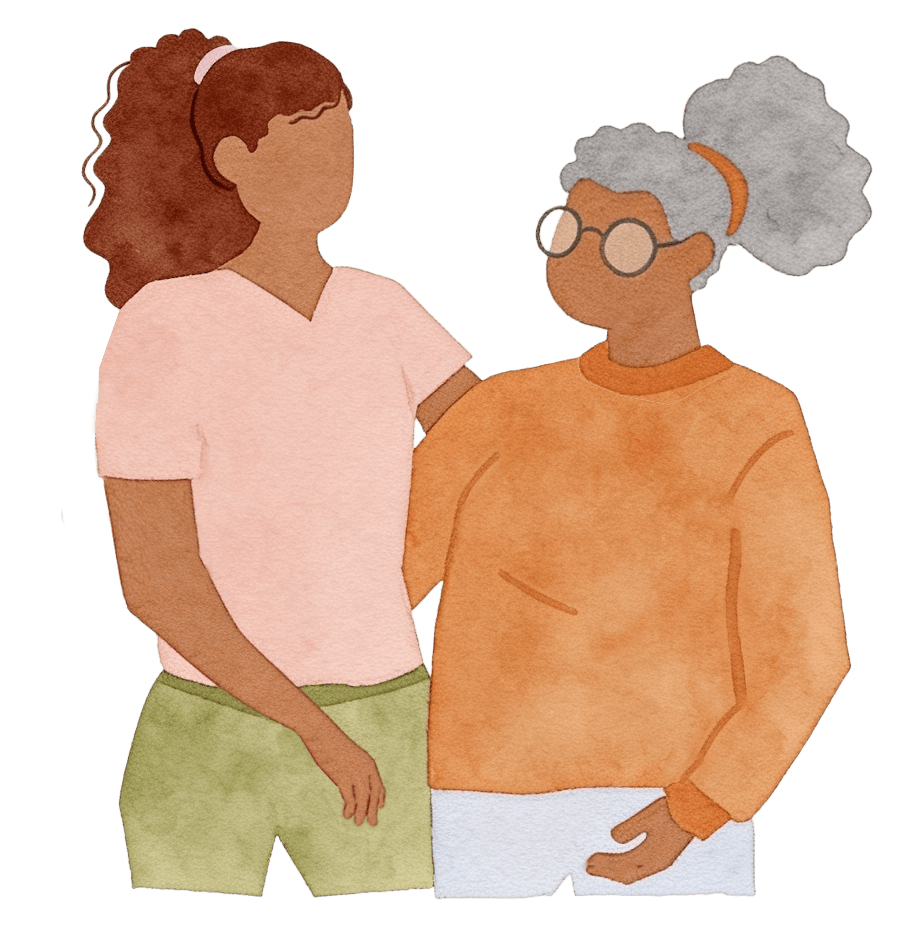
Family Therapy
Couples Therapy
Specialities
-
Navigating an eating disorder can feel stressful, overwhelming, and isolating. It’s mentally and emotionally exhausting—and often misunderstood.
Together, we’ll gently explore the history of your relationship with food, your body, disconnection, and control. We’ll build emotional awareness, uncover what’s fueling the behaviors, and begin to create more clarity and calm—without shame, pressure, or urgency.
Learn more about eating disorder therapy.
-
Trauma can feel like a shadow—sometimes visible, sometimes hidden—but always present.
We’ll explore your story, the impact you absorbed, and the ways you’ve learned to protect yourself. While we can’t erase the trauma, we can hold space for its weight—and support you in beginning to shift.The goal: to feel more confident, more at home in yourself, and more you.
Learn more about trauma therapy.
-
Anxiety might feel like a constant hum in the background—or a loud, unrelenting noise you can’t ignore. Either way, it seems like you can’t shake it.
Together, we’ll explore how anxiety is showing up in your life, what role it plays, and how to shift your relationship with it. You’ll build insight, learn new coping skills, and begin to feel more grounded and capable—so you can respond instead of spiral.
Learn more about anxiety therapy.
-
Relationships are supposed to enhance your life—not drain it. So when they feel strained, it makes sense that everything feels harder.
Whether it’s family, romantic partners, or friends, we’ll explore what’s not working, what you’re truly needing, and how to move toward more connection, clarity, and fulfillment.
Learn more about relationship therapy.
-
Whether you’re navigating anxiety, trauma, food and body struggles, or relationship stress—your lived experience and identity matter here.
You deserve therapy that holds space for the cultural, systemic, and generational forces that shape your mental health. In this space, your pain won’t be minimized. Your experience won’t be doubted. And you won’t have to carry the emotional labor of explaining why it matters.
Here, no convincing is required. Just space to be seen, supported, and understood.
Learn more about BIPoC therapy.
Here’s how to get started
01
Schedule a free 15-minute consultation.
We’ll talk about what’s bringing you in, what you’re hoping for, and what kind of support feels right. You’ll get a feel for how I work, ask any questions you have, and see if we’re a good fit to move forward together.

02
Begin therapy sessions.
When you’re ready, we’ll begin unpacking what feels heavy or stuck. Together, we’ll explore your story, your needs, and the patterns that might be keeping you in the same loop. Everything we do is paced with care and centered around your autonomy, insight, and inner wisdom.
03
Start to feel more clear, grounded, and self-connected.
As therapy progresses, you may begin to feel more at home in yourself. You might notice a shift—in how you show up in your relationships, how you respond to stress, or how you care for your needs. Over time, what once felt far away may start to feel within reach.

You’re not broken—or “too much.” You’re just tired of working so hard to be seen. Let’s shift from self-monitoring to self-trusting. From overextending… to coming home.
You’ve done the emotional labor for everyone else. Now, let’s do the healing work for you.


Online Therapy California- Frequently Asked Questions (FAQs)

-
Online therapy happens through a secure HIPAA-compliant video platform. We meet at your scheduled time, and you’ll join from the comfort of your own home—or any private space where you feel safe and uninterrupted.
As a licensed therapist in California, I’m able to see clients who are physically located anywhere in the state.
As long as you’re physically located in California at the time of our session, we can meet via telehealth. I’ll send you a unique, private link to your virtual therapy room so joining your session is easy—just one click.
-
Yes. You don’t need to live in a major city to work with me. Whether you’re in the Bay Area suburbs, outside Los Angeles, North County San Diego, or somewhere more rural—if you’re physically in California at the time of session, we can meet via telehealth. You’ll just need a stable internet connection, a phone or computer, and a private space.
-
Trauma therapy is vulnerable work, so safety and pacing matter. Look for a therapist whose approach and presence feel steady to your nervous system—someone who won’t rush you, minimize your experience, or push past your readiness.
During a consultation, notice: Do you feel understood? Does their energy feel grounding? Do they clearly explain how they work with trauma? If they feel both experienced and emotionally safe, it’s often a good sign of fit.
-
Yes—eating disorder therapy can be very effective via telehealth. Many clients meet with me weekly, especially in the beginning, and there’s flexibility depending on your needs and level of support. If we ever feel like virtual therapy isn’t the right fit for you, we’ll talk about it openly and adjust the plan together.
-
There are many evidenced-based approaches used in eating disorder treatment, including CBT, DBT, and ACT. Different approaches can be helpful for different people and different challenges. In my practice, I often integrate IFS, DBT, ACT, and Brainspotting. My goal is to offer care that supports lasting growth—so we’re not just addressing behaviors, but what’s underneath them.
-
At minimum, an eating disorder therapist should have specialized training and experience treating eating disorders and disordered eating. Eating disorders impact emotional, relational, mental, and physical well-being—and because they’re complex, it’s important your therapist understands how to support recovery without reinforcing harm (weight stigma, shame-based approaches, or rigid food rules).
On a consult call, you can ask if they’re HAES®-aligned, weight-neutral, and Intuitive Eating–informed—and what those terms mean in their practice.
-
Yes. Here are some resources for additional support in California. Please know this isn’t an exhaustive list.
NAMI California: mental health education, support, and resources
CalHope: peer-support and resources
SAMHSA California: additional mental health/substance use groups and resources
Note: A therapist can also help you figure out which resources best fit your needs and goals.
If you need immediate support: You can call or text the Suicide & Crisis Lifeline at 988.